
What is FTTH? Understanding Fiber to the Home Technology and Why It Matters
What is FTTH? FTTH (Fiber to the Home) is a broadband technology that transmits high-speed internet directly to the user’s home through fiber-optic cables. It offers fast and reliable connectivity because the fiber line runs directly from the service provider to the end user’s premises.
How It Works
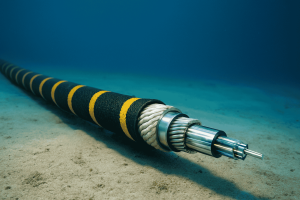
This technology delivers data using light signals moving through glass fibers. The service provider’s Optical Line Terminal (OLT) connects to a Passive Optical Network (PON), which then delivers the signal to an Optical Network Terminal (ONT) inside the subscriber’s home.
Types of Fiber Deployments for Home Connections
| Type | Description |
|---|---|
| GPON | Popular architecture for passive networks and shared fiber lines |
| EPON | Uses Ethernet and is common in some regions for residential use |
Advantages of Fiber to the Home
Fiber broadband connections provide:
-
Extremely high download and upload speeds
-
Better reliability and much lower latency
-
Ability to support 4K or even 8K video streaming and online gaming
-
Scalability as demand for bandwidth increases
-
Energy-efficient operation compared to legacy systems
For more information, an official explanation is available here:
https://www.fiberbroadband.org/page/fiber-optics-faq
Why This Technology Is Important Today
Today, people frequently use cloud services and real-time communication apps. Therefore, high speed and low latency are essential for productivity and entertainment. Fiber broadband supports these needs by providing a consistent connection, even during peak hours.
Comparison with Traditional Broadband
| Feature | Fiber Broadband | ADSL / Cable |
|---|---|---|
| Medium | Fiber-optic | Copper or Coaxial |
| Speed | Up to 1 Gbps+ | 50–100 Mbps (approx.) |
| Latency | Very low | Higher |
| Future-ready | Yes | Partially |
FAQ – Frequently Asked Questions
Q1. What is FTTH used for?
It is used for residential high-speed internet access.
Q2. Is fiber broadband faster than cable internet?
Yes. Fiber networks provide significantly faster speeds and better reliability.
Q3. Can fiber broadband support multiple devices at the same time?
Absolutely. It can easily handle multiple simultaneous connections without performance drops.